A very big thank you to Matthew Karnstedt for sending in 3 new transcriptions, with quite a spread stylistically too.
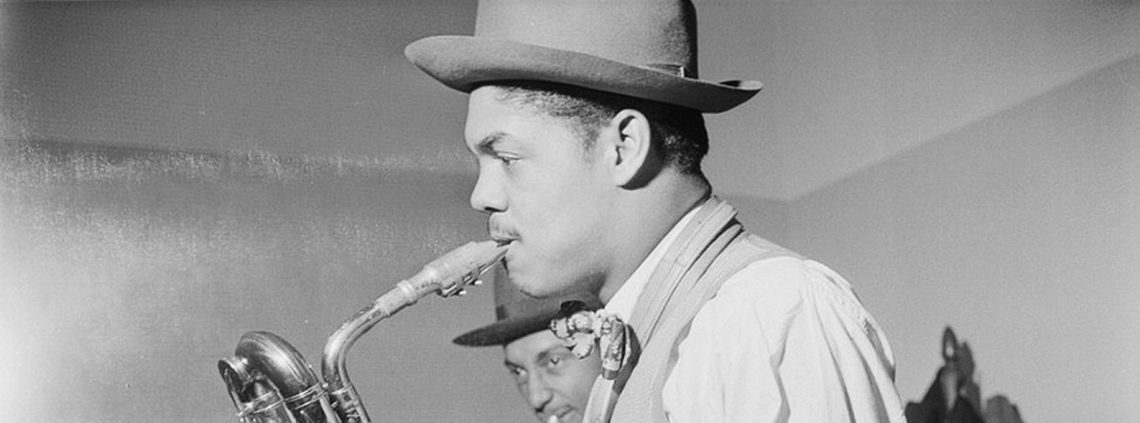
There’s a new Cecily Payne transcription on “Do Nothin’ Til You Hear From Me”, a Gerry Mulligan solo on the classic “I Got Rhythm” and a new Leo Parker solo on “Blue Sails” !
That makes it about 164 transcriptions hosted here and we’re approaching 800,000 downloads! Perhaps by this site’s 30th anniversary (2029!) we can cross the 1,000,000 mark.
Please head over to the transcription repository and give these new solos a download if you want to play through them, and again thank you to Matthew and all of the other busy transcribers for sharing their work for the rest of us.
Almost 15 years ago I took the helm of this site and launched it at its current home, jazzbarisax.com. The reason I created this site and maintain it is to address the lack of readily available information about the baritone saxophone and the musicians that use it as their voice. Especially the ones that aren’t Gerry Mulligan or Pepper Adams (though I love them too). So it with great pleasure that I welcome a new website devoted entirely to Leo Parker!
LeoParkerMusic.com is an incredible new site with an incredible level of detail. Frank Basile has done so much research and work over the years. In the past I noted his complete discography, which now has a home on this new site in addition to biographical information, excellent photos, a complete chronology and even a list of his compositions.
All true baritonists know Leo Parker, and its shocking how few non-baritonists know him. Ronnie Cuber once told me that he can’t listen to Leo anymore otherwise he’ll sound too much like him! So head on over to this new site and learn more about the father of baritone be-bop.
Paul Nedzela, baritone saxophonist with the Lincoln Center Jazz Orchestra will be giving three different online classes discussing different baritone heroes.
Harry Carney on Feb 2 at 7pm Gerry Mulligan on Feb 9 at 7pm And Leo Parker on Feb 16 at 7pm
Intrepid baritonist, Andrew Gutauskas has released his second album titled, “Look Out!“. This comes after his first album “Look Up!” from 2017. Perhaps in the future we’ll see “Look Within!” to finish out the trilogy? [ Feel free to use that Andrew 😉 ]
Gutauskas is a wonderful player and composer and the music on this album is very uplifting and positive, much like the leader himself. The line-up is a baritone, bass, and drums with trombone added on some tracks. A classic no-chord sound harking back to the Gerry Mulligan / Bob Brookmeyer quartets, though the songs and playing here will sound a bit more modern.
There’s a lot of tacky saxophone art out there. So to help promote some of the better quality items we’ve collected some of our favorite prints available. Perhaps a great gift for a baritone minded friend or loved one.
C.G. Conn made saxophones for many decades. Some of their best horns were produced in the late ’20’s and 30’s, decades before Selmer made a decent horn. And the characteristics of the Conn seem to really fit well with many baritonists. Players like Gerry Mulligan, Harry Carney, Ronnie Ross and many others used Conn’s as well as many modern day players. Perhaps its the style of projection, and large sound that Conn’s can produce. Regardless a lot of you out there love Conn’s as do I.
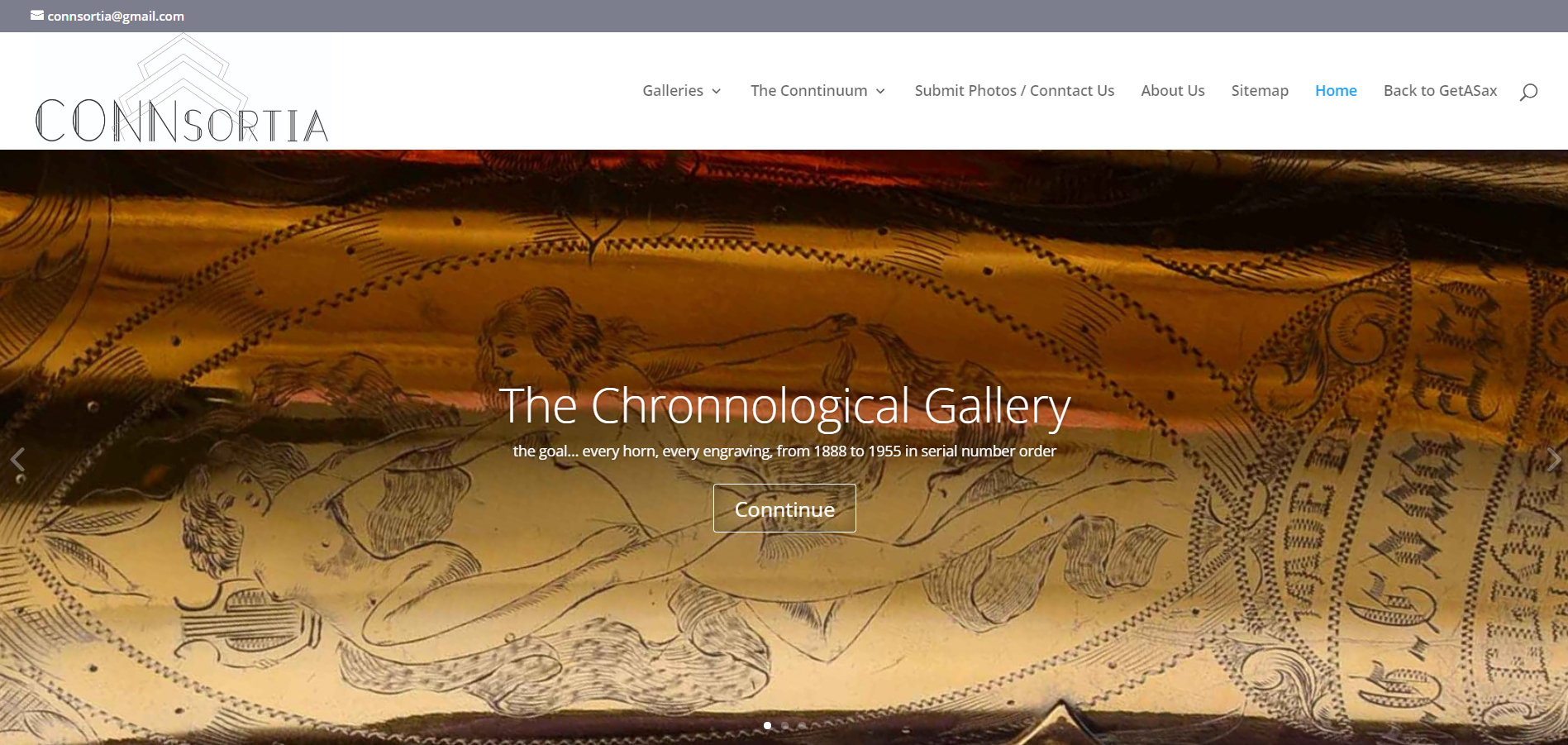
Well for us fans of the Conn, there is a new website and Instagram profile to enjoy. Its called “Connsortia” and has some great content. It has many photos of different engravings used on Conn saxophones, some of them stock, some of them incredible custom engravings of beautiful nature scenes or portraits. There are dozens of comparison photos of the famous “naked lady” or “lady face” engraving – I had no idea there was so much variety! There is a also a great deal of information about the master engravers. The site has other oddities like Billy True’s patented contraption to play 3 saxophones at once.
By Andrew Hadro Notice: All of the album links within this article are associate links. When you buy through links on this site, we may earn an affiliate commission. As an Amazon Associate this site earns from qualifying purchases. These fees go towards hosting fees for the website.
I would like to present a list of essential baritone saxophone albums. This list is meant for relative newcomers to the baritone saxophone or jazz and those looking to become familiar with the most common and perhaps most influential baritone saxophonists and recordings. For the existing fans of the baritone, I have compiled a list of ‘deeper listening’ albums that may be much less known as suggested by some of the leading baritonists of today.
Of course the hardest part of developing this list is whittling it down and deciding what precious few albums to include. I invite and encourage you all to comment below with your favorite baritone recordings, please be sure to include why they are your favorite too! Special thanks to Frank Basile for consulting on this article. On top of being an incredible baritonist, he is a wealth of information.
For this list I first chose 5 albums/musicians who I think have been most influential for the baritone saxophone in jazz. If I were to boil down the baritone to two main roads it would be the Pepper Adams and Gerry Mulligan dichotomy. They roughly fit into the classic and perhaps tired trope of ‘East Coast’ vs ‘West Coast’ where in the west coast, or cool jazz is known for more harmonically simpler and more melodic focused. The East Coast style being more known for faster tempos, technique, harmony and in general almost a more combative vibe. Seasoned listeners are already shaking their fist at the computer saying “What About Harry Carney?!” and I would argue that Harry Carney precedes both and is the father of the baritone saxophone. While Pepper maybe has more direct influence from Carney, both Mulligan and Adams acknowledged that they were influenced by and appreciated of Harry Carney.
So I present to you my humble recommendations for those looking to get started with the baritone saxophone. For further listening I have included “Next Step” albums that are well worth checking out, and are perhaps more obscure, or maybe more artistically valuable.
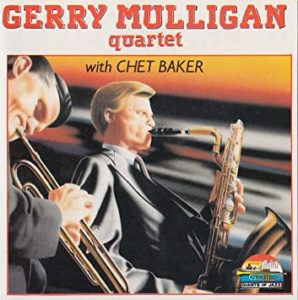
Gerry Mulligan is the first introduction to the baritone saxophone as a soloistic instrument for many people. This is due to his general popularity as well as his amenable sound and approach to melodic playing. Mulligan was primarily a band leader and a soloist, escaping the fate that falls to most baritone saxophonists as that of a sideman or under-used part of a big band saxophone section. Mulligan had a long career and first came to prominence with his ‘piano-less’ quartet with Chet Baker. He and Chet both had somewhat of a playboy personality that no doubt helped feed their popularity. Mulligan can also be found on the Miles Davis album ‘Birth of the Cool’, both as a player and as an arranger. This no-doubt also helped send him to the forefront of baritone saxophone soloists.
For me the Concert Jazz Band was the most interesting of Mulligan’s projects (See below). This could somewhat be due to the great writers he had working with him. Indeed Bob Brookmeyer is behind a lot of the music here. I once read that when the Concert Jazz Band was out of work some of the musicians, including Brookmeyer and Mel Lewis got together on their own and began a large ensemble. This ensemble became the Thad Jones/Mel Lewis Orchestra and eventually the Vanguard Jazz Orchestra that still exists today.
Next Step albums:
2) Pepper Adams – Encounter!
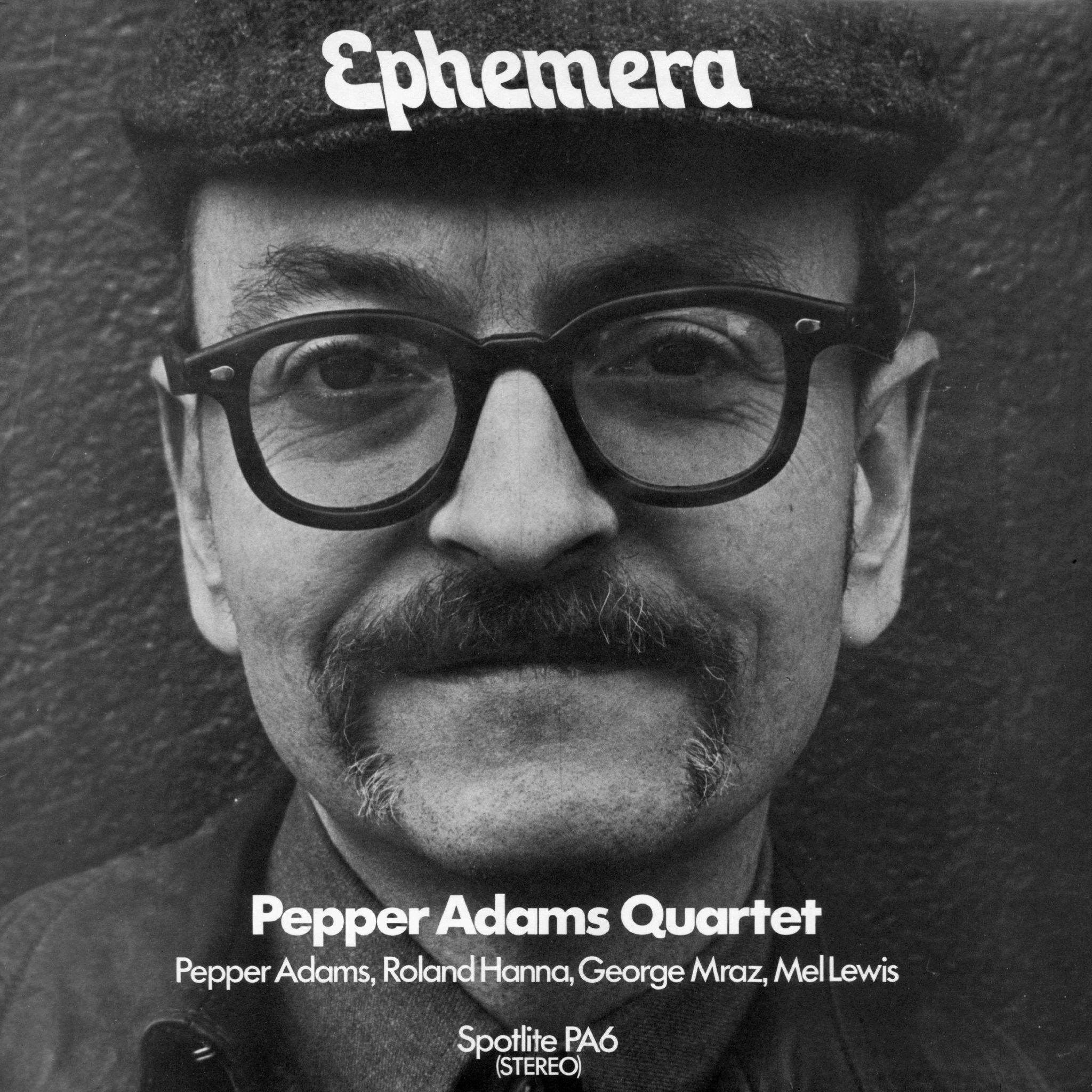
Pepper Adams‘ playing is biting and intelligent. His sound is huge and aggressive, and he was part of many well known and well regarded recordings as a sideman in groups small and large. Most Junior Highschool baritone saxophonists know the opening line to the Mingus song ‘Moanin’ But I’m not sure they all realize that it was Pepper that originally stated it and performed it. Adams can be found on many incredible recordings as a sideman. As a long standing member of the Thad Jones/Mel Lewis Orchestra, with Charles Mingus, Donald Byrd, and even John Coltrane. He may not have achieved the mainstream popularity that Mulligan enjoyed but I think he has a greater influence in general on dedicated baritone saxophonists, through his sound and approach to the horn.
From all accounts Pepper was an incredibly humble, witty and soft spoken musician. Many of the greatest baritonists around today are very much in debt to the lineage he created.
Next Step albums:
3) Harry Carney – Far East Suite
Harry Carney was Duke Ellington’s baritone saxophonist. The only one he ever really had. He joined Duke’s band at 17 and stayed for 47 years, passing away 6 months after Duke himself. He was very close to Duke, often driving him from gig to gig in Carney’s own car, whereas the rest of the band would be in a separate bus. Duke was at different points one of the most recognizable musicians in the world, and as such Carney had a lot of opportunities to shine. Carney was an able soloist, and there are plenty of recordings that include his solos. But he is far and away more revered for his sound. It is simultaneously the biggest yet most beautiful sound the baritone can make. Whenever I hear Duke’s band I often think of it as ‘Harry Carney, and the rest of the band’ as you can always prominently hear Carney’s beautiful sound adding incredible weight to the band.
Harry had many features with the Ellington band, and is even credited as writer for a few songs. His most well known feature was ‘Sophisticated Lady’ A ballad that featured his lush tone. My personal favorite album to hear Carney’s sound is the “Far East Suite” The whole album is rich with his sound and in particular ‘Agra’ is a great feature for him. He did not record much as a leader, but there is an album he recorded featuring him with lush string arrangements. The improvising is not the most sophisticated but his sound is worth the price of admission.
Next Step albums:
4) Nick Brignola, Ronnie Cuber, Gary Smulyan – Three Baritone Band Plays the Music of Gerry Mulligan
Boiling down a list of your heroes is tough. So I’m going to go ahead and cheat here. I’m going to include these three titans of the baritone saxophone in one entry, and justify it because there is an album that features all three of them. The album features songs composed by, or associated with Gerry Mulligan. Ironically I’d say all three of these guys fall more closely to the Pepper Adams school of baritone. The album is great and all three of them deserve to be checked out in full. Both Gary and Ronnie are still with us and if you get a chance to see them perform you should absolutely take it.
is a self taught fiend of the baritone. His technical skill, speed, and use of altissimo are thrilling, as well as his command of bop language and interesting album concepts. He had a very strong, projecting sound, along with a mastery of be-bop language and fluency over the whole horn. He was especially known for his ability to play very fast tempos.
Ronnie is one of the greats. He has made great recordings in a number of genres, straight ahead jazz, blues-centric popular recordings with George Benson, Latin Jazz, Fusion, and plenty of Hard-Bop. He has anchored the saxophone section of a number of great big bands but always turned heads when he stepped out front as a soloist.
Gary is a direct musical descendant of Pepper Adams, though he has developed a unique sound and style that can be easily differentiated. Gary is an incredible soloist, master of harmony, obscure songs, as well as a very long standing member of the Vanguard Jazz Orchestra (since 1980!).
Next Step albums:
5) Serge Chaloff – Blue Serge
Serge Chaloff is another well known historical baritone saxophonist. He had a more delicate approach to the baritone with a beautiful tone and very melodic approach. Though he pre-dates mulligan by a bit, people often compare his approach to Mulligan’s Despite pretty serious drug and alcohol problems he did have some success and notoriety. Both for this albums and solo work, but put perhaps more so for his membership in Woody Herman’s big band, and being the baritone on the original “Four Brother” Recording. He was one of the earliest people to step out and become a band leader and soloist solely on the baritone sax. Despite passing away at age 33 Serge made a lasting impact on music and specifically the baritone saxophone.
I recently created an ‘essential album’ guide to the baritone saxophone for this site. However, many of the regular visitors here are already well versed in the baritone saxophone and are probably aware of those albums. So I wanted to create a ‘deeper listening’ guide for people of albums that are more obscure and they may not have heard of. Because this is so subjective, even more so than the ‘essential’ list, I also reached out to some of today’s prominent baritonists to get their lists as well. Several albums appear on multiple lists, but are represented here in duplicate to give you an idea of how much overlap there can be.
Do you have an obscure, or lesser known album you think people should hear? Drop a note in the comment section below!
For your convenience, use the links below to jump to the deeper listening list for each person:
Notice: All of the album links within this article are associate links. When you buy through links on this site, we may earn an affiliate commission. As an Amazon Associate this site earns from qualifying purchases. These fees go towards hosting fees for the website.
Cecil Payne is one of the few baritone saxophonists that originated in the be-bop era and continued to have a long career playing with many different artists. Like many other baritonists, Payne spent time in big bands (Dizzy Gillespie’s among others) but he was a great soloist as well. He certainly doesn’t have the mainstream notoriety that Gerry Mulligan or Pepper Adams had, but he is very well respected and had a very long career, playing into his 80s.
In this author’s opinion Leo Parker deserves far more recognition than he has. Every serious baritone player I know revere’s him. Ronnie Cuber told me that he can’t listen to Leo Parker otherwise he’ll fall into playing too much like him. His sound and swagger are unmatched, and while he is yet another jazz musician that passed away too young there are still plenty of chances to hear him. Do yourself a favor and check him out.
I jokingly like to refer to Leo Parker as the original Leo P. Nothing against the more recent baritonist though.
Hamiet Bluiett is one of the more unique baritonists I can think of. Stylistically he spent plenty of time in both the main tradition of jazz but also in the more avante garde corners. He performed quite a bit with bassist Charles Mingus and spent many years as part of the World Saxophone Quartet. He is very much known as one of the first people to really expand the range and use extensive altissimo on the baritone. He was also a very strong proponent of the baritone saxophone and had for some years a band with several baritonists in it.
Pat Patrick is primarily known for his work with Sun Ra and his Arkestra. For most people this puts him pretty firmly in the realm of the Avant Garde. And Pat Patrick did certainly excel in this context. He was also known to perform closer to the inside tradition of jazz as well. Here at JazzBariSax.com a few years back we featured an article about how Pat Patrick’s son, Deval Patrick (former Governor of Massachusetts) gave Harry Carney’s last horn to the Berklee school.
I personally think Pat Patrick laid a solid foundation for a lot of jazz that would stray from the mainstream and also for the baritone saxophone in other genre’s like afro-beat.
Most of the baritone players on this and many other lists claim Harry Carney as a direct influence. Joe had the benefit of actually knowing Harry Carney and also the honor of taking over the duties in the Ellington band after Carney passed. Joe would eventually become the founding baritone saxophonist of Wynton Marsalis’ Lincoln Center Jazz Orchestra. Joe served as a sideman in many other big bands and was a very comfortable soloist and had a number of albums as a leader as well.
Concerto for Joe is a suite of pieces written for Joe that Wynton Marsalis dedicated to the longtime baritonist.
There are a lot of baritonists out there making great music, but for me the one that has the strongest foundation in the tradition of the jazz lineage is Frank, hands down. He is definitely in the lineage of Pepper Adams. So much so, that while Pepper invented the style I think Frank has perfected it. Frank is an avid sideman and leader, and incredibly knowledgeable about the history of jazz, especially that relating to the baritone. If you like straight ahead hard swinging jazz, Frank is one of the best out there now.
Thursday the 12th is one of Frank’s albums and its great listening, just that simple.
Morphine was a rock trio popular in the 1990’s consisting of drums, voice/2 string slide electric bass, and baritone saxophone. Dana’s sound, improvisations and great feel are integral parts of what made this band such an undergound hit. If you are a fan of the baritone saxophone and modern rock at all, you’ll enjoy these albums. Dana especially is clearly heavily jazz influenced.
Cure For Pain is probably Morphine’s best known album.
I don’t say this lightly, but Charles has created an album that sounds unlike any other. Its really an album only a baritonist should love, but it fortunately was well received enough to receive 5 stars from Downbeat Magazine – a rare feat! Charles is not a baritonist you will see performing a lot, but he is incredibly serious about the instrument and has put serious work into it. This album is a series of compositions of nothing but baritone saxophone in layers. It utilizes the full range of the baritone (including extreme altissimo) to create stunning sounds. I’m fairly sure most people will not have heard this album, but its worth it.
I have intentionally saved Scott for last, as I can and will go on and on about Scott. Everything he does is interesting and wonderful. Scott Robinson is the musician that every other musician knows and reveres. Everyone in New York City knows Scott, and has something amazing to say about him. Whether its his ability to pick up any instrument or his always unique appearance. And when I say “any” instrument I don’t just mean the every single of the woodwinds. He will put down the saxophone halfway through a solo and finish it on cornet. He is one of very few accomplished theremin players, one of even fewer owners of a contra-bass saxophone, the almost extinct ophicleide, tarogato, sarrusophone, octavin, the list goes on.
Scott is a long standing member of Maria Schneider’s Orchestra, and has played with many of the various incarnations of the Mingus Big Band. I personally think he is one of the most unique baritonists ever. His approach is unlike any other, his use of extreme ranges, breadth of genre mastery, and creative improvisation. Somewhat unfortunately for us Scott does not consider the baritone saxophone to be his primary voice and these days is focusing more on opportunities to perform on tenor or bass saxophones. Still very much worth hearing, though the world is always a nicer place to hear when Scott plays baritone.
Scott was chosen as the baritonist to play at the Smithsonian’s opening ceremony for a personal exhibit for Gerry Mulligan, in which he played Mulligan’s actual horn. The recording I’ve chosen here is also Mulligan related. Bob Brookmeyer originally composed this suite called “Celebration Suite” as a baritone feature for Gerry Mulligan. They had worked together very much over many years. It was performed once but unfortunately Mulligan passed away before it was recorded. Brookmeyer wisely chose Scott to step in and fill the soloist role and I think we are all richer for it.
“3 tracks by Donald Byrd/Pepper Adams Quintet – This is kind of hard to find on LP, but it’s been issued on CD under the title “The Third World” Donald Byrd/Booker Little.”
With everyone stuck at home the transcriptions are coming in regularly. This is great news for everyone else stuck at home looking for new solos to read down!
We have a new Leo Parker solo on TCTB, as well as new Gary Smulyan solo on “Jahbero” from his album Hidden Treasures – A contra-fact on the changes to “All The Things You Are”. And another Smulyan solo with the Vanguard Jazz Orchestra, on the tune “Dameron”, a contra-fact using the chord changes from “Giant Steps”. Thank you Leon Williams!
From Orlando Cialli we received the complete set of solos from Gerry Mulligan on his “What Is There To Say?” album. That’s a lot of work! Its a great album so check it out.