Search Results for: Gerry Mulligan

Lots of new Transcriptions!

We’ve had a number of transcription submissions in the last couple weeks!

Matthew Karnstedt has sent us a new Gerry Mulligan Transcription from a solo on ‘Take The A Train’ and another Pepper Adams solo on ‘Alone Together’. Fans of Pepper should note that we now have two different solos transcribed from him on Alone Together, comparing the two could be very interesting! Thank you Matthew!

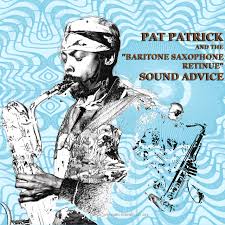
The next set of transcriptions come to us from Evan Smith. In addition to a new Serge Chaloff transcription on ‘All The Things You Are’, I’m very glad to say that we now have not one, but three Pat Patrick solo transcriptions!

Pat Patrick was a great baritonist, best known for his amazing work with Sun Ra, but also an accomplished straight ahead player. Interestingly Pat Patrick is the father of Deval Patrick the former Govorner of Massachusets and presidential candidate. Deval donated Harry Carney’s last horn to the Berklee School of Music, presumably through his father – read more about that story here.
Other wise, head on over to the transcription repository and check these new solos out!

Baritone saxophone prints!

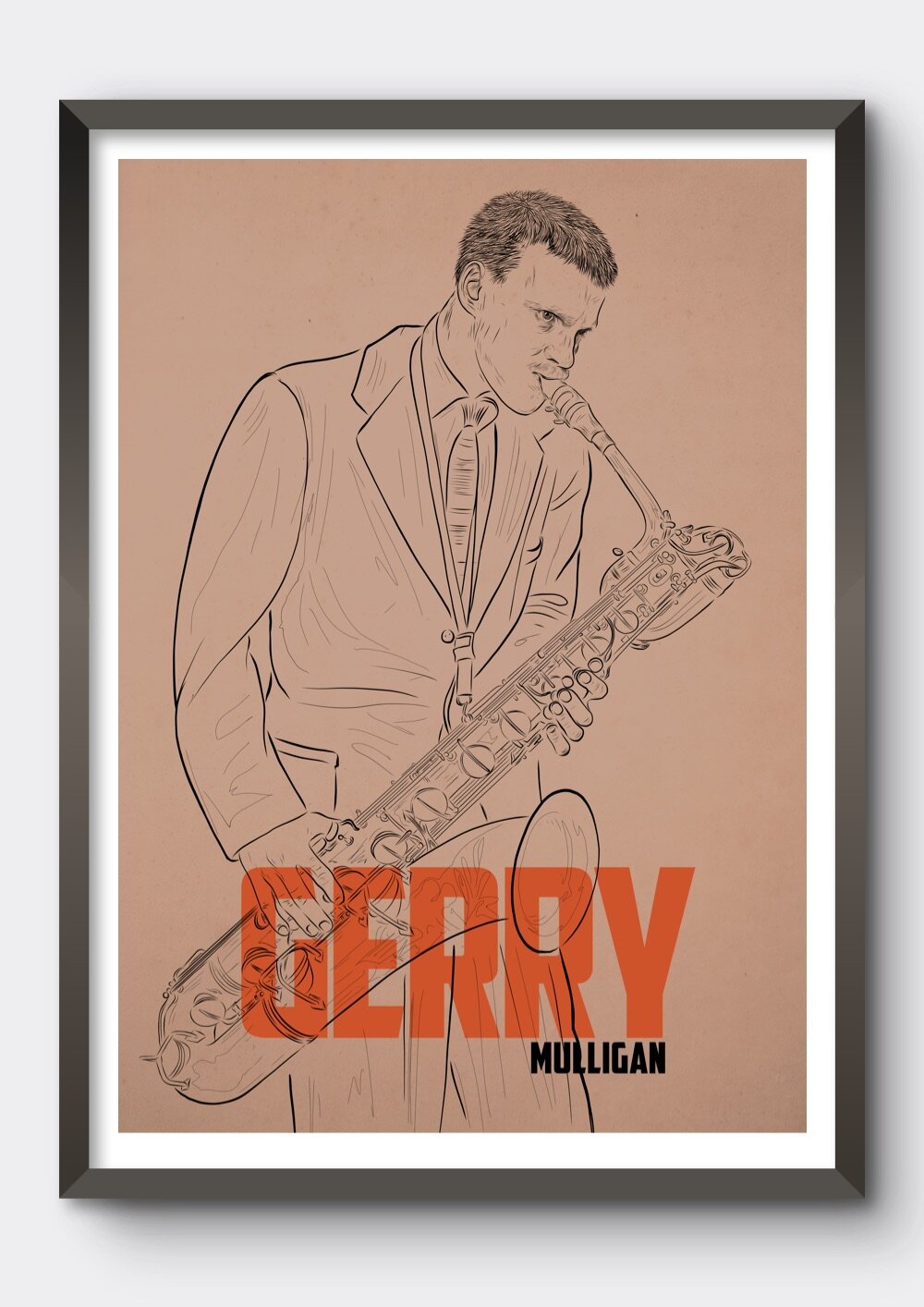
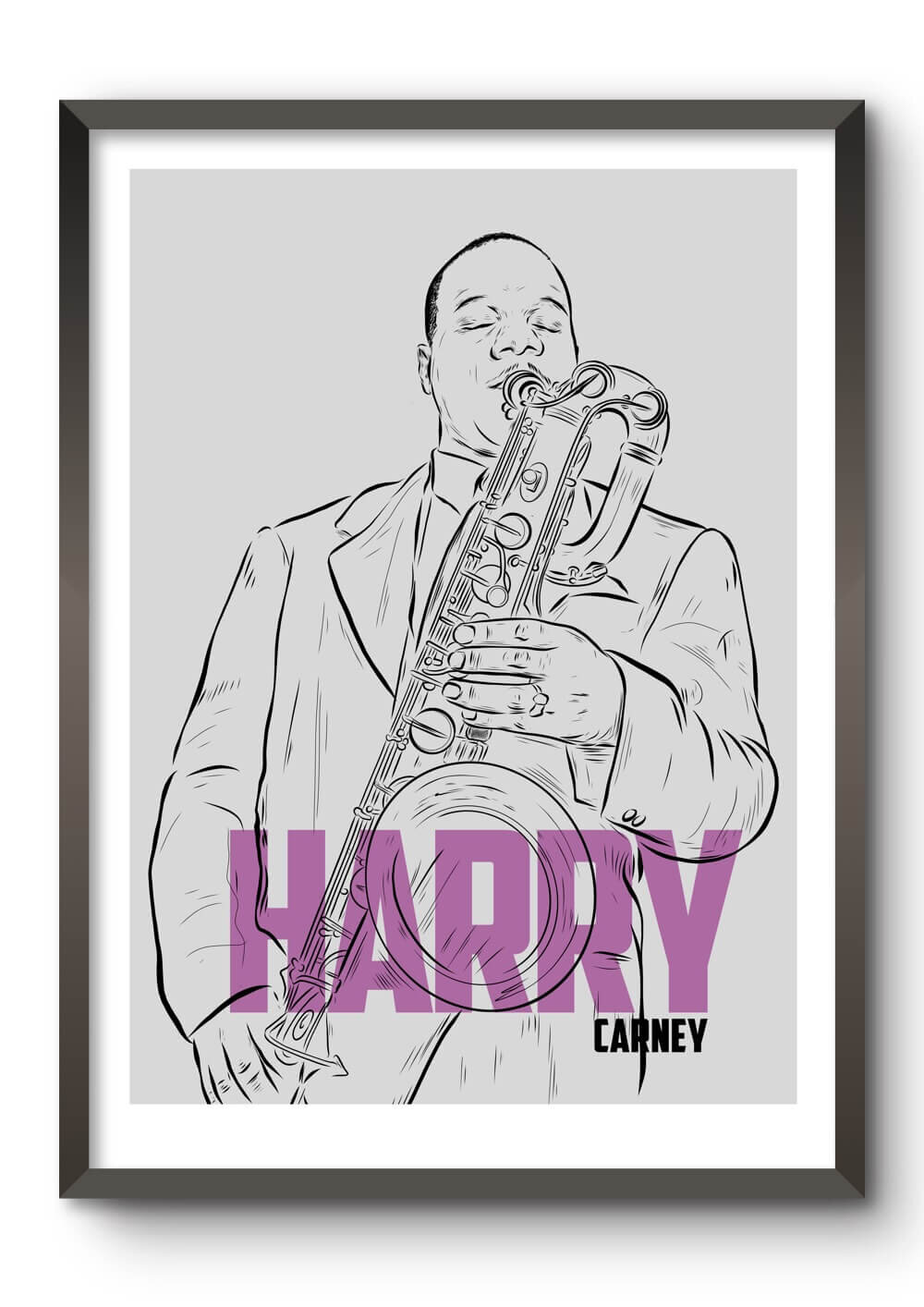
I want to let everyone know about some great hand drawn digital prints from a London, UK based baritonist, Pete Lukas. He creates digital drawings of great jazz musicians and offers prints for sale on his website, https://musicartprints.co.uk/

Of special interest to baritonists, he has Gerry Mulligan, Pepper Adams, and Harry Carney available (see below.) He offers two different sizes starting at 25 (GPD – roughly $33 USD). They come unframed, shipped from the UK. According to the site he also does commissions, so if there is someone you don’t see there he can probably get it added.

I purchased 3 and had them framed, can’t wait to get these gentleman properly displayed up on a wall:

I hope everyone else finds these as cool as I do. And thank you to Pete for creating these unique posters and including baritonists!

-Andrew
Curator, JazzBariSax.com 

Danny Harrington

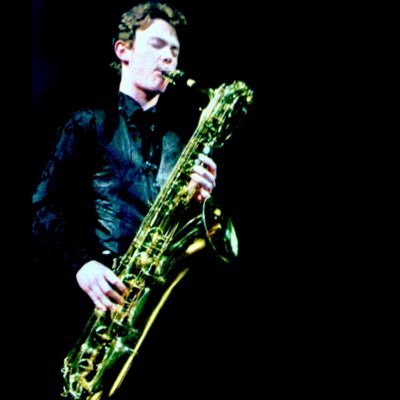
Baritone saxophonist, Danny Harrington, was born in Providence, Rhode Island and now lives Newburyport, Massachusetts with his wife (Risa) and daughter (Nina). He is a Professor of Music at Berklee College of Music, a position he has held since 1978. He is a member of the college’s Harmony department, which teaches the theory of American popular music from the early 20th century to the present. Danny has been teaching and performing in the New England area since 1978. Before joining the faculty at Berklee College, Danny toured with the Tommy Dorsey Orchestra under the direction of Buddy Morrow. Since then he has performed with Nick Brignola, Gary Burton, Herb Pomeroy, Gary Smulyan, Joe Lovano, George Garzone as well as leading his own group since 1980. Danny’s main instrument is the baritone saxophone. When asked about his choice of baritone Danny says….” I never really consciously chose the bari….it was a natural feeling.” His approach to the big horn has been to try to combine the sound of Harry Carney, the lyricism of Serge Chaloff and Gerry Mulligan, the energy and dexterity of Pepper Adams and Nick Brignola with his own individuality and spirit. Danny comments, “It is a life long evolution and dedication”.

Danny has recorded three CD’s as a leader: Risa’s Waltz, Live at the Firehouse Theatre with Tony Germain and The Danny Harrington Quartet Live at the Kiwi Grille. Danny continues to perform throughout the New England area with his quartet, duo and as a solo clinician.

To hear a few of Danny’s live performances please check out the following links down below. The first three songs are from a concert with Tony Germain at Berklee College of Music. The final website is a gig journal set up by guitarist Steve Carter who works on Wednesday nights with Danny. He has also added a link to his organ trio recording project.

Danny has been an artist for Vandoren for the twelve years. On all of these recordings you will hear Danny playing his 1934 Conn “Naked Lady” baritone saxophone. He also uses a Vandoren B75 Mouthpiece, Optimum Ligature and #2 ½ Blue Box Reeds exclusively. He says, “ I am thankful everyday for the support Vandoren has given me. The strength and consistency of their products is the reason they are a world leader in the woodwind industry.

In the fall of 2016 Danny was bestowed an amazing honor at Berklee College. The college had recently been gifted the last baritone saxophone played by the legendary Harry Carney. He was asked by the college to play the horn at the ceremony that was celebrating the official gift to the college by the late Pat Patrick’s family. He will again be performing with it again this coming fall.

Click here to read a full interview with Danny Harrington

www.soundcloud.com/danny-harrington

http://dannyharrington.com/

Interview with Noah Pettibon by Tim Hecker

This interview was conducted and provided by Tim Hecker. Noah Pettibon is a student at Central Washington University and young aspiring baritone saxophonist. Big thanks to Tim for conducting the interview and writing it up for us at JazzBariSax.com!


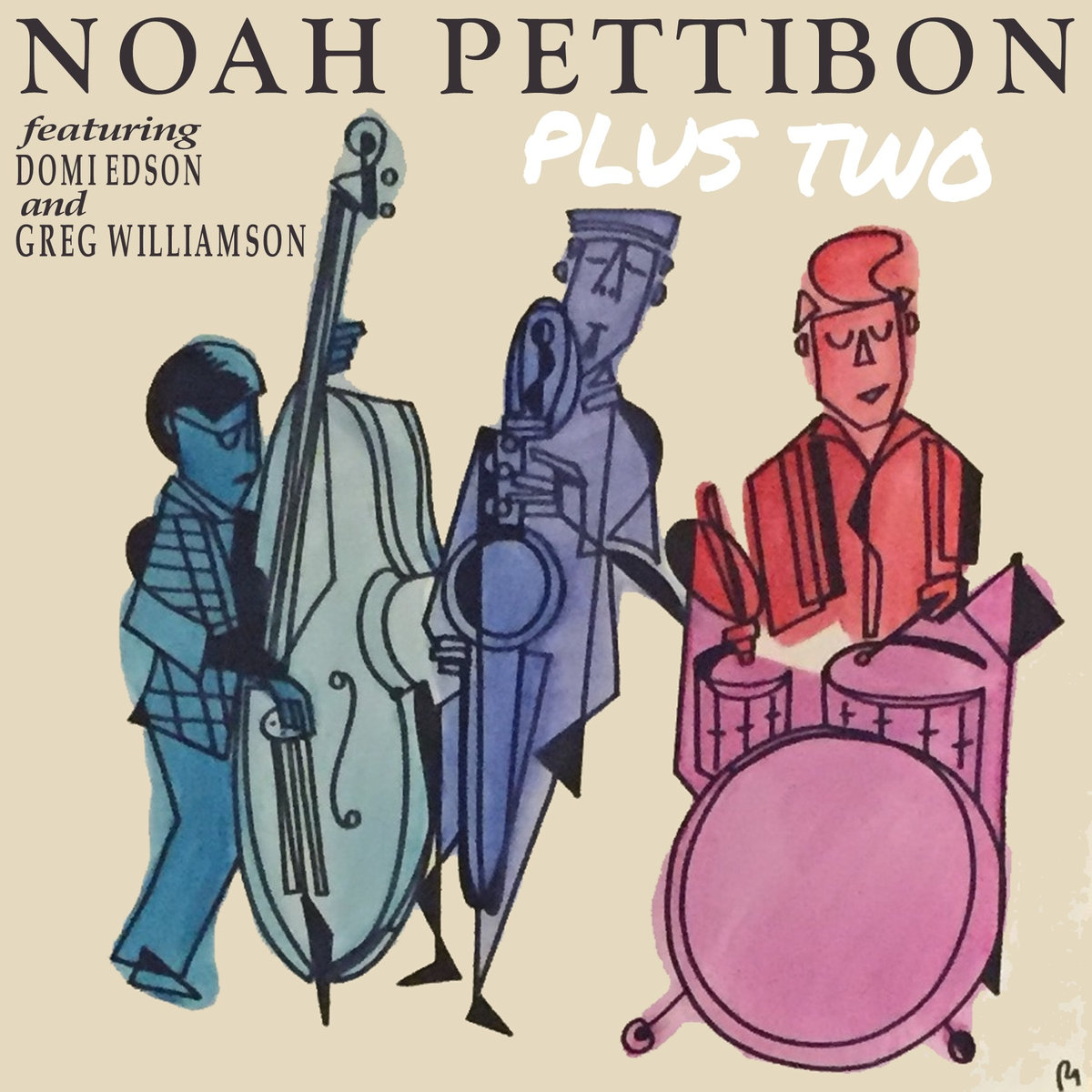
Up and coming artist and undergrad Noah Pettibon was kind enough to give an interview with jazzbarisax.com after the recent release of his new straight-ahead and cool jazz influenced trio EP entitled Plus Two. For clarity, my questions are bolded and the artist’s answers are standard text. – Tim Hecker

First of all, what is your background in music? Who have been your mentors, teachers and inspirations?

I was born in 1998 and I’m from University Place, Washington which is next to Tacoma, a suburb of Seattle. I don’t come from a musical family, but music was always playing on a speaker somewhere. I always wanted to play music. I was given piano lessons from the age of 6 until I started playing alto saxophone in my 5th grade band. I switched to tenor eventually and started getting serious about music, then began pursuing the baritone in 10th grade. I played in a few local college and community bands in high school and the following year. Just before leaving for my first year at Central Washington University, I finally picked up clarinet and actually study it classically in the studio. I am heading into my second year there and will also be studying in the composition studio. Since 9th grade, I’ve been studying privately with alto saxophonist Tracy Knoop, an 80s Berklee graduate and staple of the straight ahead scene in the Pacific Northwest. He’s had a big influence on me and, most importantly, has taught me how to teach myself!

Tell me a bit about your setup?

-1950 Conn 12M “Lady Face”
-RPC .95 refaced by Matt Marantz
-BG Leather lig
-D’Addario Jazz Select 4M Unfiled reeds
-Boston Sax Shop Balam strap

What are your interests outside of music?

I love the arts in general. I enjoy learning about all kinds of creative mediums and crafts. I can always apply what I learn to music in some way. The internet can be an exceptionally constructive cure for boredom!

Let’s talk about your new EP, Plus Two-

Right away I hear a lot of Gerry Mulligan; were you trying to emulate a Mulligan sound and style?

It’s interesting you say that. In my mind I’m actually thinking about Pepper Adams a lot, at least baritone-wise. This is kind of controversial, but I think Mulligan would have been one of my favorite musicians had he played tenor. To me he doesn’t sound at home on the baritone. That said, I do very much admire his writing, his time, his melodic sensibilities, etc. To give some credit to your observation, I was undoubtedly playing at the lighter aspects of my sound a lot of the time here.

Why a trio? Was the lack of piano another cue from Mulligan, was it who was available at the time or were you just experimenting and found something that worked?

Acoustically, the baritone tends to get kind of buried. The sound of the instrument is so rich and complex that it blends in with many different timbres. Sonically the low saxophones hold their own very well which we see being fleshed out a lot lately with solo work by artists like Colin Stetson and the like. That kind of music is not something I’m currently working on, so the best way I could see to display my sound in a straight ahead jazz setting was with this instrumentation. It was primarily an acoustic choice. Also a trio is cheaper!

Tell me about your choosing the straight-ahead style; is this subgenre a personal passion for you, or a homage to things past before you forge ahead into the future? Will you continue to release albums in this style or do you plan to experiment with new blends and mediums for your sound?

Like I said, the straight ahead jazz tradition is what I am focusing my studies on at the moment. It is at the core of the variety of styles of western improvised music today. I don’t think those styles could exist without it. I imagine I’ll always be playing and sharing this style of music, but I have begun putting serious effort towards expanding my palette. My musical interests are pretty diverse, and I set my standards quite high. After all, there are still so many things I’m yet to hear the baritone saxophone do! Ultimately, I want to be making music I would want to hear. No one but you can make music the exact way you would want it done!

A number of the tunes on this album are ones you wrote; what is your process?

Yes, two of the seven tracks are my original compositions. They say Duke Ellington wrote every day. It’s one of those things that you improve at just by doing and self-analyzing. Pepper Adams said “As a composer, I use up erasers faster than lead!” and I can also relate strongly to that. It’s like chipping marble off a massive, cumbersome block until you manage to refine it to something beautiful.

Do you write for baritone specifically?

It depends. Take Malocclusion for example, which is featured on this record. That was my effort to write something that could really only sound any good on baritone, using all the beautiful registers while providing a nice challenge. I don’t usually do that, though. I certainly never write with the saxophone or for it. Always on piano and with little regard for the so-called difficulty level. I would rather rise to meet the sound in my head rather write down to my abilities.

Tell me about some of your influences and favorite composers?

There are so many prolific writers across all of music, especially in this genre! If I had to name a few favorites, they’d be Thad Jones, Billy Strayhorn, Benny Golson, Vernon Duke, etc. When I was very young playing piano initially and thinking critically about music for the first time, I always gravitated towards Beethoven very heavily. Such passion and emotion behind every note! It’s not about the theory (although that aspect is beautiful too) but about how the music is being played!

What’s the story behind Dunning-Kruger Blues?

It’s kind of a convoluted story. It was originally an untitled 4-horn septet tune I was working on with my combo at CWU. One of the local guys, a wonderful flugelhorn player named Dmitri Matheny, came as a guest artist and performed with all the combos in the program. Since I’m rather poor with titles, I asked him for suggestions. He made note of the fact that the music looks rather difficult on the page, yet lays surprisingly well. He connected that observation to something called the Dunning-Kruger Effect, which I just recommend googling. To be honest, the rationale is rather shaky. Really, it’s just something to call the tune!

What do you want people to take from this album? Is there a personal meaning for you that might be different than others’ interpretations?

There’s no special message behind the music. I wasn’t trying to make a killin’ barn-burner record. I’m just excited and proud to be someone who’s barely 20 playing straight ahead as well as I know how. It’s not paying homage and it’s not looking to the future. It’s simply what’s happening right now!

Historical Interviews

While we have done some more recent interviews with great baritone saxophonists, there are some excellent historical interviews floating around the internet and we’d like to highlight some of them for you.

Larry Dickson produces another excellent album

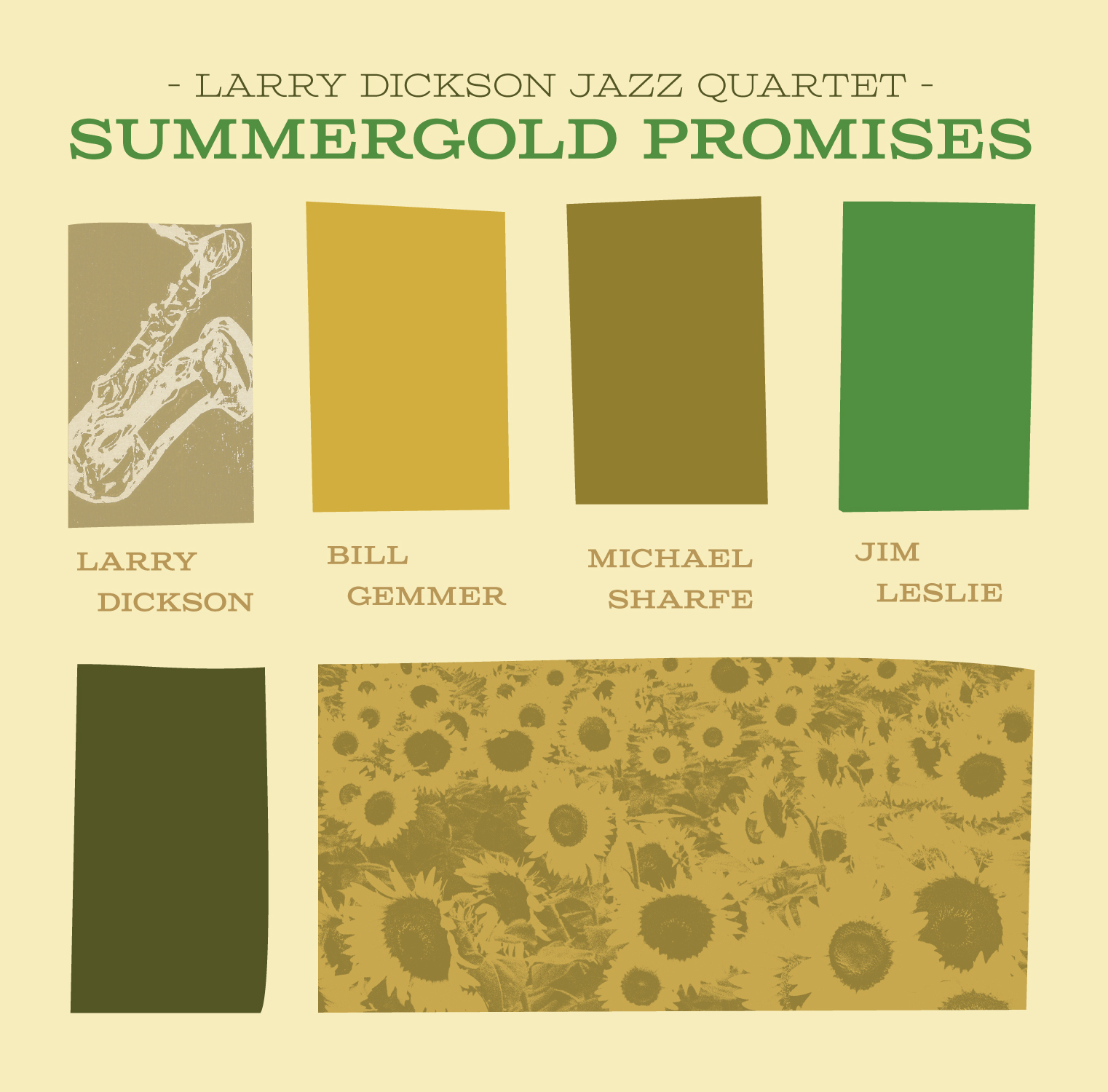
LD_SummergoldPromises_coverCincinnati based baritone saxophonist, Larry Dickson sent us another album, . Much like the first one, this album has an excellent mix of songs. About half originals and a mix of standards, lesser known composers, and a Strayhorn-Ellington piece. The arrangements are very swinging and tasteful, the band’s playing and the recording quality is quite professional. I especially enjoyed Larry’s originals compositions. They have the feeling of classic swinging tunes, but are completely new to the ear.

Trombonist, Bill Gemmer has a number of really great solo moments as well, with an excellent mix of beautiful tone and plenty of agility on the trombone. Larry’s playing at times reminds me very favorably of Ronnie Cuber, especially on Weep. Mulligan fans will recognize this tune as one of the more memorable from the Gerry Mulligan Concert Jazz Band. And other times I am reminded of Gary Smulyan’s deep edged tone, but really what we’re hearing is Larry’s sound that has been honed through years of dedication to the baritone saxophone in a jazz setting. And for that we are grateful. If you get a chance, I’d recommend getting a copy of “Summergold Promises” for yourself and any fan of the jazz baritone sax.

Carl Maraghi

CarlMaraghiBaritone saxophonist Carl Maraghi moved to New York City from his native Montreal, Canada. He received his Artist Diploma from the prestigious Juilliard School where he studied and performed with many great jazz artists such as Joe Temperley, Victor Goines, Joe Lovano, Benny Golson, Wycliffe Gordon and Wynton Marsalis. In New York City, he played in concerts with Mr. Marsalis and the Jazz at Lincoln Center Orchestra. He performs and tours with the Lionel Hampton Celebration Band that includes Nicholas Payton, Curtis Fuller, Jason Marsalis, Lew Solof and singer Diane Schuur.
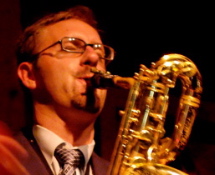
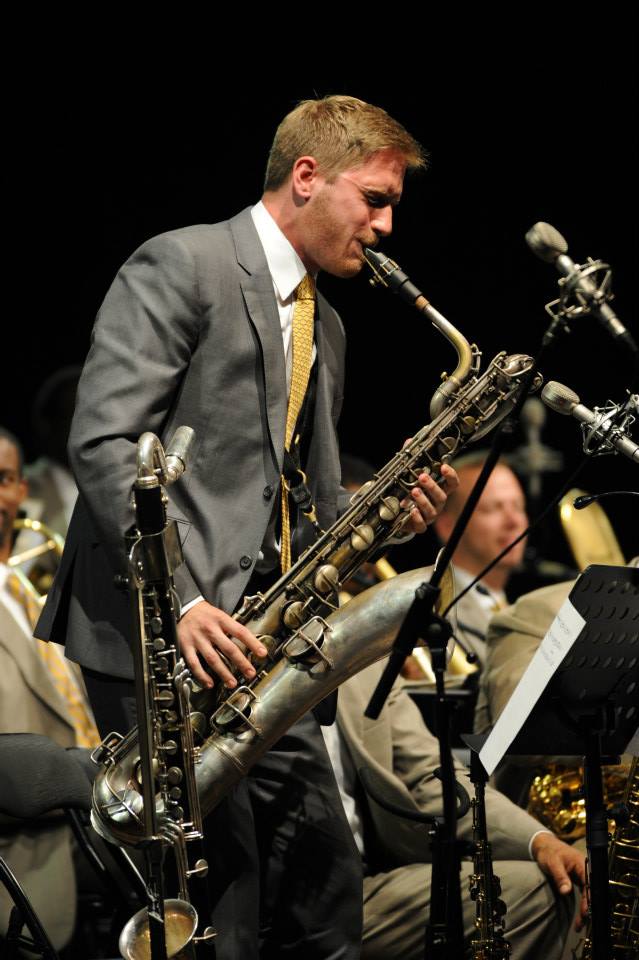
Carl is also involved with Argentine bassist and composer Pedro Giraudo’s orchestra with recordings, concerts in the New York area and tour in Macau, China. Carl is part of the acclaimed David Berger Jazz Orchestra, touring and recording regularly in the U.S. and Europe. This ensemble performed every Tuesday night at the famous New York jazz club “Birdland” for three years, and recorded music for actor/director Denzel Washington’s movie “The Great Debaters”. The orchestra was part of two Mark Twain Prize PBS Specials honoring comedy legends Billy Crystal and Bill Cosby recorded at the Kennedy Center in Washington DC. Carl participated in the Henry Mancini Institute program in Los Angeles where he performed with saxophone great Chris Potter, and trumpet icon Doc Severinsen (bandleader in The Tonight Show with Johnny Carson for 30 years).

After their meeting in California, Mr. Severinsen employed Carl in his own big band that included Ed Shaunnessy, John Bambridge and Snooky Young. He completed his Bachelor of Fine Arts degree in Music Performance at Concordia University in Montreal before his studies at The Juilliard School in New York. Along with performing professionally in different jazz ensembles in the Montreal jazz scene and at the world-renowned Montreal International Jazz Festival, he appeared regularly as a musician on several radio and television shows. He recently recorded with singer Alicia Keys on her CD “As I Am” and performed with Stewart Copeland, composer and drummer of the rock group The Police. He also performed for the President of the United States at The White House, with the Harlem Jazz Museum All-Star Orchestra conducted by Loren Schoenberg. He toured with clarinettist extraordinaire Ken Peplowski and was part of the late singer/pianist and American legend Bobby Short’s nonet. He is performing regularly on the Broadway show hits Jersey Boys and Billy Elliot. Carl Maraghi leads and composes for many different projects including film scores, his own quartet and quintet, the Carl Maraghi Sax Ensemble, and the Mulligan and More 4tet with Gerry Mulligan alumni bassist Bill Crow. “Blossom”, released in the spring of 2009, is his first opus. It features original compositions and arrangements in different jazz settings and has already been acclaimed by renowned jazz musicians and critics.

2nd Scott Robinson Transcription posted

We have just posted our second Scott Robinson transcription to the transcription repository! We’d like to thank Ian Cooper of the US Navy Jazz Bands for sending this one in.

celebrationIncidentally both Scott Robinson transcriptions are from a suite entitled “New Works Celebration” on a Bob Brookmeyer album, “New Works” with the New Art Orchestra. This suite was originally written for Gerry Mulligan, but he passed away shortly before the recording and Scott stepped in, doing a beautiful job. I hear there is a bootleg recording out there somewhere that has Mulligan performing it live.

This album is definitely worth checking out for any enthusiast of the baritone sax.

JazzBariSax.com Interview Series: Adam Schroeder

The next installment in our interview series feature Adam Schroeder. Adam holds down many of the baritone chairs on the West coast and has put out several albums as a leader. He is a tremendous guy and an accomplished saxophonist, we’re glad to feature him here.

  • Adam SchroederWhy the baritone? I found my voice on the baritone saxophone during my senior year of high school.  I had been playing the lead alto chair in our jazz band for three years however was trumped in the audition by a great friend.  We had both been studying with David Glasser from NYC at the time and had both learned that the two most important chairs in the saxophone section were the lead alto and the baritone…support!  Since my friend and I each knew one another’s playing, it was an easy switch for me to hopefully offer a stronger support in the section instead of playing the second alto chair.  Needless to say, I loved it and never looked back.
  • Favorite recordings of and/or with baritone saxophone? 10 to 4 at the 5 spot, Encounter & Julian by Pepper Adams; The Concert Jazz Band stuff by Gerry Mulligan; Stop and Listen by Cecil Payne & anything by Leo Parker
  • What’s your equipment/set up? Right now I’m floating between two set ups: 1. Berg Larson Hard Rubber 110/2 SMS chamber with a Rovner Lig and Rico Jazz Select 3M reeds 2. Vandoren B9 with their M/O Brass Lig and Vandoren ZZ #2 reeds.  I find each suitable for many different occasions but if there is an extra punch needed, then I throw on my Berg
  • Low A, Low Bb, or “My favorite horn is the one in front of me” ? I currently play a low “A” horn; Yamaha 62 with some custom work done after an extensive repair from an airline incident.  I’ve owned a 1920 Silver Conn low Bb however did not play it that often so I sold it to someone who is playing it full-time.  I’d love to find another low Bb horn as I believe they speak better all around the horn…and as a soloist, I find that the horns themselves resonate with more colors than a low A horn
  • Anything specific to the baritone you recommend practicing? Just think of it as another saxophone, not a baritone…that’s a common stereotype, that this horn we love is SO different than the other saxophones.  Don’t be scared, put some air into it and your back into it and have some fun!  LONGTONES!!!!!!!!!!!!
  • Favorite venue/place to play? Anyplace where the audience is involved/engaged.  They want to feel the energy as well…not just the musicians playing for themselves (or each other).  I love live clubs where there is conversation going on music related…not just obscene talking or chatter.  In Los Angeles, I really enjoy the Blue Whale, Jazz at the CAP, Alvas, The Lighthouse, Vitello’s and then anything that In-House Music represents.
  • When travelling, does the horn go under or in the plane? IN THE PLANE – but be nice!  Everyone is just trying to do their jobs and being an ass gets you nowhere!  Be accommodating as well.  Most of us traveling with the new “Manning” custom cases also take pics on our cell phones of the horn in the overhead/closet on the different aircraft models that we are flying on.  But overall, JUST BE NICE and they are usually pretty understanding.  If not, stand your ground in a polite and reassuring way and continue to ask for their supervisor.
  • Favorite quotes about music? Keep On, Keepin’ On (Clark Terry); Take care of the MUSIC, and the MUSIC will take care of you (John Clayton); the 5 “T’s” of playing (Oscar Peterson) and Dizzy’s list (can’t remember what its called at the moment)
  • What do you do when not playing music? Enjoy the outdoors…mother natures natural symphony.  Compose and sing; work in another field which I feel allows me to focus in on music at a much more heightened state when I get the chance.  Read and spend time with my family.  All of which I’ve mentioned above leads right back to my passion, our passion, which is music.
  • Bonus Question: “A penguin walks through that door right now wearing a sombrero.  What does he say and why is he here?”  Humor Me, you look just as lost as I do…but lets enjoy today for what today brings and hopefully make a few smiles and memories along the way

Be sure to check out Adam’s website for more info!

JazzBariSax.com Interview Series: Paul Nedzela

999346_10200125395448846_2100103875_nThe latest installation of our interview series is with a baritone saxophonist who is taking over the world. Paul Nedzela was kind enough to spend some time while on the road with the prestigious Lincoln Center Jazz Orchestra to give us some insight into his artistry. He has recently been seen performing with the Village Vanguard Orchestra and you can catch him with the Ted Nash big band later this month at Dizzy’s in NYC. On a personal note, I have great respect and awe for Paul’s talents and his congenial vibe. I am glad he has shared some insight into his world with us. – Hadro

Sound.

Sound is always the first thing I notice about any player, regardless of what instrument they play.  And personally, I think that sound is the defining characteristic of most baritone players.  Though the sound wasn’t what initially drew me to the baritone in the first place.  When I went to junior high school, everyone picked up an instrument, and I picked tenor sax.   It wasn’t til a year later, after I showed some proclivity for the horn, that they switched me to the baritone; in part, because I was a little bigger than the other kids.  Looking back on those first couple of years, like many other bari players, I looked forward to getting the chance to honk out a few low notes and make my mark.   It wasn’t until I started studying privately that I started to mature, and slowly approach the instrument differently. I began to hear some of the great baritone players around town; taking in the unique voices each of them had on the instrument.   I slowly grew as a musician, assimilating as much as I could, and working as hard as I could to take what I heard and recreate it in my own way.

The horn.

The baritone, more than other horns because of it’s register, can have very different personalities.  It is able to sound light and romantic in the upper register, full and vibrant in the middle, and sharp or robust in the lower. It can take on the characteristics of a tenor sax or a trombone, but also a cello, bassoon and even the human voice when played well.  Each player must decide for themselves what it is they want to hear in their own sound.  Of course, set up can have a lot to do with that.  Different horns and mouthpieces will lend themselves towards one approach or another.  Personally, I prefer a low Bb horn and I tend to think that older horns have warmer and richer sounds, though that is certainly a generalization.  There is nothing inherent in modern horns that prevent them from being able to do that, I just don’t think it’s a priority for those who make the horns these days.  Low A baritones have to add a fair amount of metal tubing to the horn which changes the intonation and sound of the horn.  Low A’s are recalibrated to account for this of course, but I tend to believe that the extra note isn’t worth it.  Ultimately, however, I believe that it is the man or woman behind the horn that makes the sound, regardless of what he or she is playing.  Michael Jordan will always be Jordan, no matter what shoes he is wearing.  Bird will always sound like Bird, and Coltrane like Coltrane.

Influences.

My influences have changed over the years.  My first exposure to the baritone was with the album, Birth of the Cool.  That got me checking out a lot of Gerry Mulligan. I loved his pianoless quartet albums.  He would certainly be my first influence.  After a while I started to feel that my playing was mirroring his a little too much and I started to move away from it.  I started listening to a lot of Pepper Adams.  I loved his playing with Thad Jones on Mean What You Say, and with Charles Mingus on Blues and Roots. Then I started seriously listening to the baritone players I could in NYC like Joe Temperley, Ronnie Cuber and Gary Smulyan.  After a while, I really started listening to and transcribing a lot of other sax players, not just baritone.  Now I would consider some of my big influences to be Cannonball, Coltrane, Joe Henderson, and Bird.  The real benefit to that for me was realizing that the baritone, like any instrument is to any artist, is a medium or a tool; a means of expressing the music in each of us.  And why restrict our appreciation to those who happen to play the same instrument we do?

Practicing.

Now in terms of practicing, I find it hard to give general tips to an unknown audience.  But I will say that it’s important to know how to get to Carnegie Hall.  For sound, there is no replacement for long tones. There are many different ways to approach long tone exercises, but no real substitute for doing them.  Technical exercises can depend on what you’re going for as a musician.  I do think that fundamentals will always be important.  Knowing and being able to play all types of scales in all keys, at all tempos.  A simple enough idea, but a difficult one to master.  Then anything from etudes, to an endless combination and permutation of patterns to practice getting around the horn.  I think transcribing is a great way to train one’s ear and also assimilate the playing styles of the players we love. Then there is the idea of playing in an ensemble.  There are so many skills and concepts to practice in that setting that it’s hard for me to know where to begin.  I would say that it’s important to know one’s place at all moments within the group; how your note fits in the chord, what your role is in the composition, what other instruments you’re playing with, and who is leading and who is following. But an overarching idea that I’d like to stress is the importance of focus in everything we play and practice.

The best lesson I’ve learned is that the goal of a musician should not be how to impress or make his or her mark, as I once thought as a child, but rather how to make as much music as possible.  And the goal of music, for me, is to evoke emotion, whatever that emotion might be.


Be sure to check out Paul’s website too!